
Recommended Global Biotechnology Webinars & Conferences
Asia Pacific & Middle East
BIOMEDICINE 2026
- Welcome message
- About the Conference
- Target Audience
- Sessions and Tracks
- Market Analysis Report
- Past Conference Report
Welcome message
A Warm Welcome to the 6th International Conference on Biomedicine & Pharmacotherapy
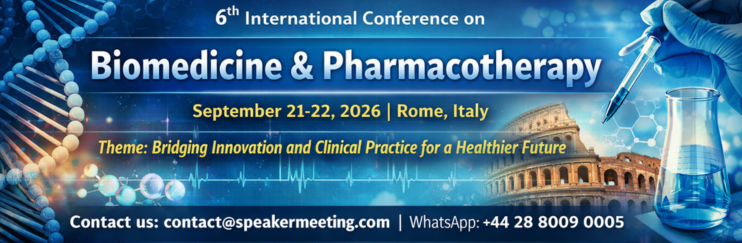
On behalf of the Organizing Committee, it is our great pleasure and honor to extend a heartfelt welcome to all participants, distinguished speakers, delegates, and exhibitors to the 6th International Conference on Biomedicine & Pharmacotherapy, taking place in the historic and inspiring city of Rome, Italy, from September 21-22, 2026.
This conference brings together the world’s leading academics, researchers, clinicians, and industry professionals to explore the latest groundbreaking advancements and future directions in biomedicine and pharmacotherapy. Our theme, “Bridging Innovation and Clinical Practice for a Healthier Future,” reflects our shared commitment to transforming scientific discoveries into meaningful improvements in patient care.
Over these two days, we have curated a comprehensive scientific program featuring keynote lectures, plenary sessions, interactive workshops, and poster presentations. We encourage you to take full advantage of these opportunities to engage in insightful discussions, foster new collaborations, and contribute your valuable perspectives.
We are confident that the eternal beauty, cultural richness, and scholarly spirit of Rome will provide the perfect backdrop for a productive and memorable event.
Welcome to Rome!
We wish you an inspiring, enlightening, and rewarding conference experience.
The Organizing Committee
About the Conference
6th International Conference on Biomedicine & Pharmacotherapy
September 21-22, 2026 | Rome, Italy
The 6th International Conference on Biomedicine & Pharmacotherapy is a premier global event bringing together leading researchers, clinicians, academicians, and industry experts to exchange knowledge and explore the latest innovations in biomedical science and therapeutic development. Held in the historic city of Rome, Italy, the 2026 edition continues the conference’s mission to foster interdisciplinary collaboration and accelerate the translation of scientific discoveries into improved healthcare outcomes.
With the theme “Bridging Innovation and Clinical Practice for a Healthier Future,” the conference features keynote presentations, plenary sessions, hands-on workshops, panel discussions, and poster sessions showcasing cutting-edge research. Participants will have the opportunity to engage in scientific dialogue, network with international peers, and discover emerging trends shaping the future of biomedicine and pharmacotherapy.
Set against the backdrop of Rome’s timeless charm and cultural richness, this conference offers not only a dynamic scientific program but also a memorable experience for all attendees. Join us as we work together to advance medical research, elevate clinical practice, and envision new possibilities for global health.
Why Attend?
Attending the 6th International Conference on Biomedicine & Pharmacotherapy, in Rome, Italy, on September 21-22, 2026, is your opportunity to be at the forefront of groundbreaking advancements in medical science.
- Earn CPD/CME Credits
- Official Participation Certificate
- DOI Number for Your Research
- Global Networking Opportunities
- Meet Leading Scientists & Industry Experts
- Showcase Your Research (Oral/Poster)
- Explore Latest Innovations in Biomedicine
- Collaborate on Future Research Projects
- Experience the Beauty & Culture of Rome
- Receive an Exclusive Conference Kit
Target Audience
- Biomedical Engineers
- Scientists/Researchers
- Professors
- Medical Professionals
- Presidents/Vice Presidents
- Chairs/Directors
- Clinical Physicists
- Biomedical Technicians
- Biomedical Organizations
- Manufacturing Devices Companies
- Business Entrepreneurs
- Healthcare Executive Leaders
- Health Information/Infrastructure Managers
- Human Services Authorities
- Coding Specialists
- Students
- Pharmaceutical Engineers
- Pharmaceutical Faculty
- Pharmaceutical Researchers
- Pharmaceutical & Biomedical Students
Sessions and Tracks
Track 01. Drug Discovery and Development
Drug discovery and development is a complex, multidisciplinary process aimed at identifying novel therapeutic agents and translating them into clinically effective and safe drugs. It begins with the identification of potential molecular targets, including enzymes, receptors, or signaling pathways implicated in specific diseases. Target validation involves understanding the biological role and disease relevance, followed by high-throughput screening of chemical libraries, natural products, or synthetic compounds to identify lead candidates. Computational techniques such as molecular docking, structure-activity relationship analysis, and machine learning-based predictions are increasingly utilized to streamline candidate selection. Lead optimization focuses on improving potency, selectivity, solubility, stability, and pharmacokinetic properties, while minimizing toxicity and off-target effects. Preclinical evaluation employs in vitro cellular assays and in vivo animal models to assess pharmacodynamics, pharmacokinetics, bioavailability, safety, and potential adverse effects. Once candidates demonstrate sufficient efficacy and safety, they progress to clinical trials, beginning with phase I studies to evaluate safety, tolerability, and dose ranges in healthy volunteers, followed by phase II trials to assess efficacy and adverse effects in target patient populations, and phase III trials to confirm therapeutic benefits and monitor side effects across larger cohorts. Regulatory review ensures compliance with rigorous safety, efficacy, and quality standards before market approval. Emerging trends in drug discovery include biologics, peptide therapeutics, RNA-based therapies, gene therapies, and nanotechnology-based delivery systems, which enhance targeting, reduce systemic toxicity, and improve bioavailability. Integration of translational research, molecular insights, and computational approaches is essential for accelerating drug development, optimizing therapeutic outcomes, and addressing unmet medical needs in complex diseases, while fostering innovation and precision in modern pharmacotherapy.
Track 02. Clinical Pharmacology and Therapeutics
Clinical pharmacology and therapeutics examines how drugs interact with the human body to achieve optimal therapeutic effects while minimizing adverse reactions, integrating principles of pharmacokinetics and pharmacodynamics. Pharmacokinetics involves the absorption, distribution, metabolism, and excretion of drugs, whereas pharmacodynamics studies their biochemical and physiological effects and mechanisms of action. Patient-specific factors such as age, sex, genetics, organ function, comorbidities, and concurrent medications significantly influence drug response, necessitating individualized treatment approaches. Dose optimization, therapeutic drug monitoring, and adjustment based on patient-specific parameters are crucial for drugs with narrow therapeutic windows or high interindividual variability. Polypharmacy, drug-drug interactions, and adverse drug reactions are especially relevant in chronic illnesses and geriatric populations, where careful evaluation is required to ensure safety. Pharmacogenomics provides insights into genetic variations affecting drug metabolism, efficacy, and toxicity, supporting precision medicine strategies. Evidence-based practice, clinical guidelines, and data from randomized controlled trials guide the rational selection, dosage, and administration of drugs, while real-world patient outcomes contribute to continual refinement of therapeutic approaches. Biomarkers, diagnostic assays, and clinical monitoring tools enhance understanding of drug effects and optimize treatment plans. The integration of molecular and genetic information into pharmacological practice enables more accurate prediction of responses and personalized therapy. Overall, clinical pharmacology bridges laboratory research with patient care, combining mechanistic insights with clinical evaluation to improve drug efficacy, reduce adverse effects, and support rational, evidence-based therapeutic interventions across diverse medical conditions, ultimately advancing patient-centered pharmacotherapy.
Track 03. Molecular Medicine and Genetics
Molecular medicine and genetics focus on understanding the molecular and genetic underpinnings of disease to enable precise diagnosis, prognosis, and targeted therapy. Disease pathogenesis is influenced by genetic mutations, epigenetic modifications, altered gene expression, protein dysregulation, and abnormal signaling pathways, all of which contribute to disease onset, progression, and variability in treatment response. Advanced technologies, including genome sequencing, transcriptomics, proteomics, metabolomics, and epigenomic profiling, provide comprehensive insights into cellular and molecular alterations in health and disease. Gene-editing tools such as CRISPR-Cas9, RNA interference, and antisense oligonucleotides facilitate targeted modulation of gene expression, allowing correction of genetic defects or inhibition of pathogenic proteins. Epigenetic therapies target DNA methylation and histone modifications to restore normal gene activity and influence disease phenotypes. Molecular biomarkers guide patient stratification, early diagnosis, and monitoring of treatment response, enabling personalized therapy tailored to an individual’s genetic and molecular profile. Applications span oncology, cardiovascular diseases, neurological disorders, metabolic syndromes, and rare genetic conditions, demonstrating the broad relevance of molecular insights to modern medicine. Integration of molecular findings with pharmacological research informs drug discovery, identifies novel therapeutic targets, and supports precision pharmacotherapy strategies. Understanding molecular mechanisms allows development of innovative interventions that address disease at its source, reduce systemic side effects, and improve efficacy. The continuous interplay between molecular medicine, genetics, and pharmacology is critical for advancing translational research, optimizing therapeutic outcomes, and providing targeted interventions for complex diseases in contemporary biomedicine.
Track 04. Pharmacogenomics and Personalized Medicine
Pharmacogenomics and personalized medicine investigate how individual genetic variations influence drug response, metabolism, efficacy, and toxicity, aiming to optimize therapy for each patient. Genetic polymorphisms in drug-metabolizing enzymes, transporters, and receptors can significantly affect pharmacokinetics and pharmacodynamics, leading to variability in treatment outcomes and susceptibility to adverse effects. Identifying these variations enables clinicians to predict responses to medications and select appropriate drugs or dosages, reducing trial-and-error prescribing and improving patient safety. Technologies such as genome-wide association studies, next-generation sequencing, and high-throughput genotyping facilitate identification of relevant genetic markers associated with drug response. Integration of pharmacogenomic data into clinical decision-making supports precision medicine approaches, allowing targeted therapy for complex diseases including cancer, cardiovascular disorders, neurological conditions, and autoimmune syndromes. Personalized medicine also incorporates patient-specific factors such as age, comorbidities, lifestyle, and environmental exposures to tailor treatment regimens. Clinical implementation involves the development of diagnostic assays, decision-support tools, and guidelines for interpreting genetic information in the context of therapy. The field emphasizes the ethical, legal, and social considerations of genetic testing, including informed consent, data privacy, and equitable access to precision medicine interventions. By combining genetic insights with molecular, pharmacological, and clinical data, pharmacogenomics advances individualized care, reduces adverse drug reactions, and enhances therapeutic efficacy. This approach is transforming modern pharmacotherapy by shifting from generalized treatment protocols to patient-centered, evidence-based strategies that maximize clinical benefit and minimize risk, ultimately improving outcomes and quality of life across diverse patient populations.
Track 05. Nanomedicine and Drug Delivery Systems
Nanomedicine and drug delivery systems focus on the development and application of nanoscale technologies to improve the delivery, targeting, and efficacy of therapeutic agents. Nanocarriers, including liposomes, polymeric nanoparticles, dendrimers, micelles, and inorganic nanoparticles, are designed to enhance drug solubility, stability, and bioavailability while minimizing systemic toxicity. These systems enable controlled and sustained release, targeted delivery to specific tissues or cells, and protection of labile drugs from degradation. Functionalization of nanoparticles with ligands, antibodies, or peptides allows receptor-mediated targeting, improving accumulation in diseased tissues such as tumors or inflamed areas while sparing healthy cells. Nanotechnology also facilitates the delivery of complex molecules, including nucleic acids, proteins, and small molecules, that would otherwise have limited bioavailability. Applications include cancer therapy, cardiovascular diseases, neuropharmacology, and regenerative medicine. Advanced techniques allow crossing of biological barriers, such as the blood-brain barrier, to deliver therapeutics to previously inaccessible sites. Safety and biocompatibility assessments, pharmacokinetics, and biodistribution studies are critical in evaluating the efficacy and potential side effects of nanomedicine formulations. Ongoing research explores multifunctional nanoparticles capable of simultaneous imaging, diagnosis, and therapy, known as theranostics. Overall, nanomedicine integrates materials science, pharmacology, and molecular biology to optimize drug delivery, enhance therapeutic outcomes, and enable personalized interventions, representing a significant advancement in contemporary pharmacotherapy and biomedical innovation.
Track 06. Regenerative Medicine and Cell Therapy
Regenerative medicine and cell therapy focus on repairing or replacing damaged tissues and organs using advanced biological techniques. Stem cells, including embryonic, induced pluripotent, and adult stem cells, serve as the foundation for regenerative strategies due to their capacity for self-renewal and differentiation into multiple cell types. Cell-based therapies aim to restore function in damaged tissues through transplantation, tissue engineering, or modulation of endogenous repair mechanisms. Techniques include scaffolding, biomaterials, and growth factor delivery to support cell survival, integration, and differentiation. Applications span cardiovascular repair, neurodegenerative diseases, musculoskeletal injuries, and wound healing. Cellular therapies are also being investigated in immunomodulation, oncology, and organ regeneration. Critical considerations involve optimizing cell sources, delivery methods, dosing, and safety, including the risk of tumorigenicity, immune rejection, and off-target effects. Preclinical and clinical studies assess efficacy, functionality, and long-term outcomes, integrating molecular and genetic tools to enhance therapeutic potential. Gene editing and bioengineering approaches can modify cells to enhance their regenerative or therapeutic capabilities. Regenerative medicine bridges fundamental biology with translational research, offering innovative treatments that address disease at the cellular level. By combining cellular therapies with pharmacological interventions, tissue engineering, and molecular medicine, this field provides promising solutions for conditions with limited treatment options, advancing the frontiers of modern biomedicine and pharmacotherapy.
Track 07. Clinical Trials and Translational Research
Clinical trials and translational research are essential for bridging laboratory discoveries with patient care, addressing both scientific and regulatory challenges in drug development. Translational research transforms molecular and preclinical findings into practical therapies, identifying biomarkers, therapeutic targets, and effective dosing strategies. Clinical trials, divided into phases I–III, evaluate safety, efficacy, pharmacokinetics, and optimal dosing in progressively larger populations. Current challenges include patient recruitment and retention, heterogeneity of disease populations, ethical considerations, and high costs of conducting large-scale trials. Adaptive trial designs, real-world evidence, and digital health technologies are emerging trends aimed at increasing efficiency, reducing costs, and enhancing data quality. Precision medicine approaches are integrated to stratify patients based on molecular, genetic, and phenotypic profiles, ensuring targeted therapies and improved response rates. Regulatory requirements for approval demand rigorous safety assessments, quality control, and compliance with international guidelines. Advances in translational research include organ-on-chip models, 3D tissue cultures, and artificial intelligence-driven data analysis, which improve prediction of clinical outcomes and reduce reliance on animal models. The integration of big data analytics, electronic health records, and biomarker-driven endpoints is shaping the future of clinical trial design, enabling faster decision-making and personalized therapeutic strategies. Challenges such as reproducibility of preclinical studies, variability in patient response, and management of adverse events continue to drive innovation in trial methodology. By aligning laboratory science with clinical practice, clinical trials and translational research accelerate the development of effective, safe, and personalized therapies, addressing unmet medical needs and advancing modern biomedicine and pharmacotherapy.
Track 08. Immunotherapy and Biologics
Immunotherapy and biologics are rapidly evolving areas in biomedicine, targeting the immune system to treat cancer, autoimmune disorders, and infectious diseases. Monoclonal antibodies, checkpoint inhibitors, cytokine therapies, and therapeutic vaccines are designed to modulate immune responses, enhance pathogen or tumor recognition, and improve therapeutic outcomes. Biologics, including recombinant proteins, gene therapies, and cell-based interventions, offer highly specific mechanisms of action compared to traditional small molecules. Current challenges include immune-related adverse events, limited efficacy in certain patient populations, high production costs, and complex regulatory requirements. Emerging trends focus on combination therapies, personalized immunotherapy based on patient-specific biomarkers, and next-generation biologics with improved pharmacokinetics, stability, and reduced immunogenicity. Advances in bioengineering and molecular techniques enable the design of chimeric antigen receptor T cells, bispecific antibodies, and other innovative constructs that precisely target disease pathways. Monitoring treatment response, managing immune toxicity, and predicting patient outcomes remain key scientific challenges. Integration of immunogenomics, molecular profiling, and computational modeling enhances understanding of immune mechanisms and guides therapy selection. The field continues to expand rapidly, offering promising solutions for previously untreatable conditions, while necessitating ongoing research to overcome safety, efficacy, and accessibility challenges.
Track 09. Toxicology and Safety Assessment
Toxicology and safety assessment play a critical role in evaluating the potential harmful effects of drugs, chemicals, and biologics, ensuring safe therapeutic use. Toxicological studies examine acute, subchronic, and chronic toxicity, genotoxicity, carcinogenicity, reproductive toxicity, and immunotoxicity using in vitro assays, in vivo models, and computational predictions. Current challenges include predicting human responses from preclinical models, understanding species-specific differences, and addressing complex mechanisms of toxicity at the molecular and cellular level. Regulatory requirements demand rigorous assessment and documentation of safety profiles before clinical testing and market approval. Emerging trends include the use of organ-on-chip systems, three-dimensional tissue cultures, and computational toxicology to improve predictive accuracy while reducing animal testing. Integration of omics technologies allows identification of biomarkers for early detection of toxic effects, enhancing risk assessment and personalized safety strategies. Pharmacovigilance post-marketing continues to monitor adverse events, drug-drug interactions, and long-term safety, contributing to continuous improvement of therapeutic protocols. Advances in toxicogenomics, predictive modeling, and machine learning improve the understanding of dose-response relationships, mechanisms of action, and interindividual variability. Overall, toxicology and safety assessment provide the scientific foundation to ensure that drugs and therapeutic interventions achieve maximum efficacy while minimizing risk, supporting regulatory compliance, patient safety, and innovation in modern pharmacotherapy.
Track 10. Emerging Therapies and Innovative Drugs
Emerging therapies and innovative drugs encompass the latest advancements in pharmacology aimed at addressing diseases that remain difficult to treat with conventional approaches. This includes gene therapies, RNA-based therapeutics, peptide drugs, small molecules with novel mechanisms of action, and combination treatments that target multiple pathways simultaneously. Current challenges involve ensuring specificity, minimizing off-target effects, achieving efficient delivery to the desired tissue or cell type, and overcoming biological barriers such as the blood-brain barrier. Regulatory hurdles and high development costs also pose significant obstacles. Advances in molecular biology, genomics, and bioinformatics are driving the identification of novel therapeutic targets and facilitating rational drug design. Precision medicine approaches are increasingly integrated, allowing therapies to be tailored to individual genetic and molecular profiles, improving efficacy while reducing adverse effects. Nanotechnology-based delivery systems and biomaterials are being utilized to enhance bioavailability, stability, and controlled release of therapeutics. Adaptive clinical trial designs and real-world evidence collection accelerate evaluation and optimization of innovative drugs, while artificial intelligence and machine learning support drug discovery, target validation, and prediction of drug responses. Personalized and multi-modal therapies are becoming a central focus in oncology, rare genetic disorders, neurodegenerative diseases, and immune-mediated conditions. Ethical considerations, equitable access, and long-term safety monitoring are essential components of development and implementation. Overall, emerging therapies represent a transformative shift in modern pharmacotherapy, emphasizing precision, innovation, and the integration of molecular insights with clinical application to improve patient outcomes and expand treatment options for complex and unmet medical needs.
Track 11. Pharmacovigilance and Drug Regulation
Pharmacovigilance and drug regulation focus on monitoring, evaluating, and ensuring the safety and efficacy of therapeutic agents throughout their lifecycle, from development to post-marketing. Pharmacovigilance systems detect, assess, and prevent adverse drug reactions, drug-drug interactions, and medication errors. Current challenges include underreporting of adverse events, variability in regulatory standards across regions, and the need for timely analysis of large datasets from diverse populations. Integration of electronic health records, real-world data, and digital health tools enables more efficient identification of safety signals. Regulatory frameworks mandate compliance with Good Clinical Practice, Good Manufacturing Practice, and international guidelines to ensure quality, safety, and efficacy. Emerging trends include the use of artificial intelligence and machine learning to analyze pharmacovigilance data, predictive toxicology to anticipate adverse events, and personalized risk assessment based on genetic and phenotypic profiles. Post-marketing surveillance, risk management plans, and communication strategies ensure continuous monitoring and rapid response to safety concerns. Collaboration among regulatory authorities, pharmaceutical companies, and healthcare providers strengthens the global pharmacovigilance network. By combining rigorous safety assessment, data-driven monitoring, and regulatory oversight, pharmacovigilance and drug regulation safeguard public health, optimize therapeutic outcomes, and maintain trust in pharmacotherapy, while addressing the complexities of increasingly personalized and biologically sophisticated medicines.
Track 12. Systems Pharmacology and Computational Biology
Systems pharmacology and computational biology integrate quantitative modeling, computational tools, and systems-level analyses to understand drug actions within complex biological networks. Unlike traditional approaches focusing on single targets, systems pharmacology examines interactions among multiple proteins, pathways, and cellular processes, predicting therapeutic efficacy, toxicity, and off-target effects. Current challenges include integrating heterogeneous data from genomics, proteomics, metabolomics, and clinical studies, as well as modeling dynamic biological responses across cell types and tissues. Computational approaches, including network modeling, molecular simulations, machine learning, and artificial intelligence, are employed to predict drug-target interactions, identify synergistic drug combinations, and optimize dosing regimens. These methods enhance understanding of disease mechanisms and facilitate rational drug design, reducing reliance on extensive animal testing and accelerating translational research. Emerging trends involve personalized computational models that incorporate patient-specific molecular and clinical data, enabling precision therapy prediction and risk assessment. Systems pharmacology also contributes to drug repurposing, identification of biomarkers, and evaluation of polypharmacy in complex diseases. By providing a comprehensive, data-driven understanding of drug behavior within biological systems, systems pharmacology and computational biology are transforming modern pharmacotherapy, enhancing predictive accuracy, reducing adverse effects, and enabling tailored interventions for multifactorial diseases.
Track 13. Neuropharmacology and Central Nervous System Therapies
Neuropharmacology and central nervous system therapies focus on understanding and manipulating the biochemical, molecular, and cellular mechanisms that regulate neural function to treat neurological and psychiatric disorders. This includes modulation of neurotransmitters, ion channels, receptors, and signaling pathways to manage conditions such as Alzheimer’s disease, Parkinson’s disease, depression, epilepsy, and multiple sclerosis. Current challenges involve the complexity of the central nervous system, limited blood-brain barrier permeability, heterogeneous disease phenotypes, and variability in patient response. Emerging trends include the development of targeted small molecules, biologics, and gene-based therapies, as well as the use of nanocarriers and peptide delivery systems to improve drug penetration into the brain. Advances in molecular imaging, neurogenomics, and electrophysiological studies allow better understanding of disease mechanisms and therapeutic monitoring. Personalized medicine approaches integrate genetic, epigenetic, and biomarker data to tailor therapy to individual patients, optimizing efficacy and minimizing adverse effects. Novel strategies such as neuromodulation, stem cell-based interventions, and combination therapies are being explored to restore neuronal function and slow disease progression. Challenges also include managing long-term side effects, drug resistance, and co-morbid psychiatric or systemic conditions. Artificial intelligence and computational modeling are increasingly applied to predict therapeutic outcomes, drug interactions, and disease progression, enhancing precision therapy. Overall, neuropharmacology combines molecular insights, advanced drug delivery, and systems-level understanding to develop innovative, targeted treatments, addressing the unmet medical needs of patients with complex neurological and psychiatric disorders while advancing modern biomedicine and pharmacotherapy.
Track 14. Cardiovascular Pharmacotherapy
Cardiovascular pharmacotherapy focuses on the prevention, management, and treatment of cardiovascular diseases, including hypertension, heart failure, arrhythmias, ischemic heart disease, and hyperlipidemia. Drug classes such as antihypertensives, beta-blockers, calcium channel blockers, anticoagulants, lipid-lowering agents, and antiplatelet therapies are central to management. Current challenges involve interindividual variability in drug response, polypharmacy, adherence issues, and comorbid conditions such as diabetes or renal impairment that complicate therapy. Emerging trends include precision medicine approaches using genetic, proteomic, and biomarker data to guide individualized therapy, reduce adverse effects, and improve outcomes. Novel therapeutics targeting specific molecular pathways involved in inflammation, oxidative stress, and myocardial remodeling are under development. Advanced drug delivery systems, combination therapies, and nanotechnology-based approaches are improving drug targeting, bioavailability, and patient compliance. Clinical trials increasingly focus on high-risk populations, adaptive trial designs, and real-world evidence to optimize therapy and inform guidelines. Monitoring therapeutic effects, managing adverse reactions such as bleeding risks with anticoagulants, and adjusting treatment for age-related or metabolic differences remain ongoing challenges. Integration of computational modeling, pharmacogenomics, and biomarker-driven strategies enhances understanding of cardiovascular pharmacotherapy at the molecular and systemic levels. Overall, cardiovascular pharmacotherapy aims to combine evidence-based medicine, molecular insights, and emerging technologies to develop safer, more effective, and personalized interventions for cardiovascular disease, addressing the growing global burden and unmet therapeutic needs.
Track 15. Oncology Pharmacotherapy
Oncology pharmacotherapy focuses on the development and application of therapeutics to treat cancer by targeting molecular pathways, tumor microenvironments, and immune responses. Traditional chemotherapeutics, targeted small molecules, monoclonal antibodies, checkpoint inhibitors, and combination regimens are central to treatment strategies. Current challenges include drug resistance, tumor heterogeneity, off-target toxicity, and limited efficacy in certain cancer subtypes. Emerging trends involve precision oncology using genomic, transcriptomic, and proteomic profiling to identify actionable mutations and guide individualized therapy. Advances in immunotherapy, including chimeric antigen receptor T cells, bispecific antibodies, and therapeutic vaccines, enhance anti-tumor immunity. Nanotechnology-based drug delivery, antibody-drug conjugates, and prodrug strategies improve targeting, reduce systemic toxicity, and enhance bioavailability. Adaptive clinical trials, real-world evidence collection, and biomarker-driven endpoints are increasingly applied to evaluate treatment efficacy and optimize regimens. Integration of molecular diagnostics, computational modeling, and pharmacogenomics informs treatment selection and predicts therapeutic response. Challenges such as managing adverse effects, balancing efficacy with quality of life, and addressing socioeconomic and accessibility disparities remain significant. Oncology pharmacotherapy combines molecular insights, innovative therapeutic modalities, and precision medicine to improve patient outcomes, reduce toxicity, and develop personalized treatment strategies for complex and heterogeneous malignancies.
Track 16. Pediatric and Geriatric Pharmacotherapy
Pediatric and geriatric pharmacotherapy addresses the unique challenges of drug administration, efficacy, and safety in populations with distinct physiological, metabolic, and pharmacokinetic characteristics. Children exhibit age-dependent drug absorption, distribution, metabolism, and elimination, necessitating precise dose adjustments, age-appropriate formulations, and careful monitoring of adverse effects. Similarly, elderly patients often present with polypharmacy, comorbidities, altered renal and hepatic function, and increased susceptibility to drug-drug interactions and toxicity. Regulatory authorities enforce specialized guidelines for pediatric and geriatric trials, dosage recommendations, and post-marketing surveillance to ensure safety and efficacy. Emerging trends involve AI-assisted dose optimization, pharmacogenomic profiling, and computational modeling to predict individual responses, minimize adverse effects, and personalize therapy. Nanotechnology-based formulations are being developed to improve bioavailability and targeted delivery, particularly for chronic conditions and medications with poor solubility. Challenges also include ethical considerations in vulnerable populations, adherence monitoring, and limited clinical trial data due to recruitment difficulties. Integration of digital health technologies, such as telemedicine and smart monitoring devices, allows continuous tracking of treatment response, adverse events, and compliance. Pharmacovigilance programs in pediatric and geriatric populations support safety assessment, while AI-driven analytics enhance early detection of potential risks. Overall, pediatric and geriatric pharmacotherapy combines regulatory guidance, technological innovations, molecular insights, and individualized strategies to optimize therapeutic outcomes, reduce adverse effects, and address the unique needs of vulnerable populations in modern biomedicine.
Track 17. Natural Products and Phytopharmacology
Natural products and phytopharmacology focus on identifying, characterizing, and utilizing bioactive compounds derived from plants, microorganisms, and marine sources for therapeutic purposes. These agents, including alkaloids, flavonoids, terpenes, and phenolic compounds, offer diverse pharmacological activities, such as antimicrobial, anticancer, anti-inflammatory, and antioxidant effects. Current challenges involve standardization of extracts, variability in bioactive content, quality control, safety evaluation, and establishing clear mechanisms of action. Regulatory authorities require rigorous preclinical and clinical testing to ensure efficacy, purity, and safety before approval, while pharmacovigilance monitors potential adverse reactions post-marketing. Emerging trends include AI-assisted screening of natural compounds, molecular docking studies to predict target interactions, high-throughput bioactivity assays, and nanoformulations to enhance bioavailability, solubility, and targeted delivery. Integration of omics technologies enables identification of active metabolites, understanding of pharmacodynamics, and personalized therapeutic applications. Sustainable sourcing and ethical bioprospecting practices are critical for long-term availability and environmental safety. Nanotechnology-based delivery platforms, including nanoparticles, liposomes, and polymeric carriers, facilitate controlled release, tissue targeting, and reduced systemic toxicity of natural products. Computational models and AI platforms assist in optimizing compound selection, predicting pharmacokinetic profiles, and designing multi-target therapies. Overall, natural products and phytopharmacology represent a critical component of modern drug discovery and pharmacotherapy, combining traditional knowledge, cutting-edge technology, nanotechnology, and regulatory oversight to develop safe, effective, and innovative therapeutic agents.
Track 18. Analytical Techniques and Laboratory Methods
Analytical techniques and laboratory methods underpin the discovery, development, and quality control of pharmaceutical agents in biomedicine. These techniques include chromatography, spectroscopy, mass spectrometry, electrophoresis, molecular assays, and bioanalytical methods for quantifying drugs, metabolites, and biomarkers. Current challenges involve achieving high sensitivity, specificity, reproducibility, and standardization across laboratories while adhering to regulatory requirements. Regulatory authorities mandate validated analytical protocols for drug approval, ensuring compliance with good laboratory practice, quality standards, and safety monitoring. Emerging trends integrate AI and machine learning to analyze complex datasets, automate workflows, and predict molecular properties or assay outcomes. Nanotechnology is applied in analytical platforms, such as nanoparticle-based sensors and lab-on-chip systems, for rapid, precise, and miniaturized detection of analytes. High-throughput screening and microfluidic technologies facilitate simultaneous analysis of multiple samples, accelerating drug discovery and translational research. Analytical techniques also support pharmacokinetic studies, stability testing, and therapeutic drug monitoring, providing crucial information for optimizing dosage and efficacy. Integration of computational modeling, chemoinformatics, and systems biology enhances understanding of molecular interactions, pharmacodynamics, and pharmacokinetics. Continuous innovation in laboratory methodologies ensures accurate, reliable, and efficient evaluation of drugs, biologics, and natural compounds, while maintaining compliance with international regulatory standards. Overall, analytical techniques and laboratory methods are fundamental to modern biomedicine and pharmacotherapy, driving innovation, ensuring quality, and supporting safe and effective therapeutic interventions.
Track 19. Artificial Intelligence in Drug Discovery and Pharmacotherapy
Artificial intelligence in drug discovery and pharmacotherapy leverages machine learning, deep learning, and computational modeling to accelerate identification of novel drug candidates, optimize dosing strategies, and predict therapeutic outcomes. AI algorithms analyze large-scale datasets from genomics, proteomics, metabolomics, electronic health records, and clinical trials to identify potential targets, predict drug-target interactions, and evaluate safety profiles. Current challenges include data heterogeneity, model interpretability, integration with regulatory frameworks, and ensuring clinical validation of AI-generated predictions. Emerging trends involve AI-assisted personalized medicine, adaptive clinical trial design, and predictive pharmacovigilance, enabling more precise and individualized therapy. Nanotechnology-based AI platforms facilitate high-throughput screening and real-time monitoring of drug delivery and efficacy. AI also contributes to early detection of adverse drug reactions, optimization of combination therapies, and repurposing of existing drugs for new indications. Regulatory agencies are developing guidelines to ensure validation, reliability, and ethical use of AI in pharmacotherapy, including transparency, reproducibility, and patient data privacy. Integration of AI with laboratory automation, omics technologies, and computational biology reduces time and cost of drug development while enhancing predictive accuracy and decision-making. By combining molecular insights, patient-specific data, and advanced computational tools, AI is transforming modern pharmacotherapy, enabling precision medicine, improving therapeutic efficacy, minimizing adverse effects, and guiding the development of innovative drugs and delivery systems. The field represents a critical convergence of technology, pharmacology, and regulatory science, addressing complex challenges in drug discovery and clinical application while shaping the future of biomedicine.
Track 20. Nanotechnology Applications in Pharmacotherapy
Nanotechnology applications in pharmacotherapy focus on the design, synthesis, and utilization of nanoscale materials to enhance drug delivery, targeting, and therapeutic efficacy. Nanocarriers such as liposomes, dendrimers, polymeric nanoparticles, and inorganic nanoparticles improve solubility, stability, bioavailability, and controlled release of drugs, including small molecules, peptides, nucleic acids, and biologics. Current challenges involve understanding nanoparticle interactions with biological systems, minimizing toxicity, ensuring biocompatibility, and meeting regulatory requirements for clinical translation. Emerging trends include multifunctional nanoparticles capable of simultaneous diagnosis, imaging, and therapy, known as theranostics, and receptor-targeted nanocarriers for precision therapy. AI-assisted nanomedicine platforms optimize particle design, predict biodistribution, and evaluate therapeutic response. Regulatory authorities require rigorous characterization, safety assessment, and standardized manufacturing protocols to ensure clinical safety and efficacy. Integration of nanotechnology with regenerative medicine, immunotherapy, and molecular targeting allows enhanced specificity, reduced systemic side effects, and improved patient outcomes. Nanotechnology also enables crossing of physiological barriers, such as the blood-brain barrier, facilitating treatment of neurological disorders and cancers. Combined with computational modeling, bioinformatics, and high-throughput screening, nanomedicine accelerates development of innovative therapeutics while addressing challenges in dosage optimization, targeted delivery, and therapeutic monitoring. Overall, nanotechnology represents a transformative approach in modern pharmacotherapy, merging engineering, molecular biology, and regulatory science to develop safer, more effective, and personalized treatments.
Track 21. Stem Cell Therapy and Regenerative Biomedicine
Stem cell therapy and regenerative biomedicine focus on repairing, replacing, or regenerating damaged tissues and organs using advanced cellular, molecular, and bioengineering approaches. Pluripotent and multipotent stem cells, including induced pluripotent stem cells, serve as a source for differentiation into multiple cell types for therapeutic applications. Current challenges include ensuring cell survival, integration, and functionality after transplantation, managing immune rejection, and preventing tumorigenicity. Nanotechnology is employed to deliver growth factors, gene-editing components, and scaffolding materials to enhance stem cell efficacy and targeting. Artificial intelligence supports predictive modeling of differentiation pathways, cell behavior, and treatment outcomes. Regulatory considerations involve rigorous safety and efficacy evaluations, ethical compliance, and quality control for clinical translation. Emerging trends include organoids, tissue engineering, 3D bioprinting, and exosome-based therapies, offering novel solutions for neurological, cardiovascular, musculoskeletal, and hepatic disorders. Integration of molecular biology, nanotechnology, AI, and clinical data allows precise optimization of regenerative strategies. Challenges such as scalability, reproducibility, and long-term safety remain critical areas of research. Regenerative biomedicine represents a convergence of biology, engineering, and technology, providing innovative therapeutic options for conditions previously deemed untreatable, while emphasizing ethical, safe, and effective implementation in clinical practice.
Track 22. Immunobiology and Immunotherapy in Biomedicine
Immunobiology and immunotherapy in biomedicine focus on understanding and manipulating the immune system to prevent, diagnose, and treat diseases, including cancer, autoimmune disorders, infectious diseases, and chronic inflammatory conditions. Advances in molecular immunology, genomics, and proteomics have revealed key mechanisms of immune activation, tolerance, and regulation, enabling the development of targeted therapies. Current challenges include immune heterogeneity among patients, unpredictable responses, immune-related adverse events, and difficulties in translating preclinical findings to clinical practice. Nanotechnology is being used to deliver antigens, cytokines, or immune modulators with high precision, improving efficacy and reducing off-target effects. Artificial intelligence supports predictive modeling of immune responses, patient stratification, and optimization of therapeutic strategies. Regulatory authorities require rigorous evaluation of immunotherapies, including safety assessments, clinical trial validation, and long-term monitoring of immune-related effects. Emerging trends involve checkpoint inhibitors, CAR-T cell therapies, personalized vaccines, and combination strategies that integrate molecular targeting with immune modulation. Integration of biomarker discovery, high-throughput screening, and digital health monitoring enhances patient selection and real-time assessment of therapy response. Ethical considerations, cost, and accessibility remain significant factors influencing clinical translation. Overall, immunobiology and immunotherapy in biomedicine represent a rapidly advancing field where molecular insights, nanotechnology, AI, and rigorous regulatory oversight converge to develop precise, effective, and safe therapeutic interventions, addressing complex diseases and advancing modern biomedical science.
Market Analysis Report
The global biomedicine and biopharmaceutical market has witnessed substantial growth in recent years, driven by rising prevalence of chronic diseases, aging populations, and advancements in molecular medicine. In 2024, the market size was estimated at approximately US$452 billion and is projected to reach around US$740 billion by 2030, representing a compound annual growth rate (CAGR) of roughly 8.9%. Biologics, including monoclonal antibodies, gene therapies, and other advanced therapeutics, dominate the market due to their targeted efficacy and growing adoption in oncology, autoimmune disorders, and rare diseases. Regional growth patterns indicate North America as the largest market, followed by Europe and the rapidly expanding Asia-Pacific region, which benefits from increasing healthcare infrastructure and higher access to innovative therapies.
Key drivers of this growth include technological innovations such as artificial intelligence in drug discovery, predictive analytics for personalized medicine, and nanotechnology-based drug delivery systems that enhance targeting and reduce toxicity. Regulatory support for advanced therapies, expansion of biomanufacturing capacities, and the rising uptake of biosimilars also contribute to the market momentum. Despite these opportunities, challenges persist, including high development costs, complex regulatory pathways for gene and cell therapies, pricing pressures from payers, and the need for high-quality data for AI-driven research. Companies investing in robust R&D pipelines, AI-integrated platforms, and precision medicine approaches are positioned to gain a competitive edge.
Looking ahead, the market is expected to continue strong growth, with estimates projecting annual growth rates between 8–14%, depending on therapeutic segments and regional dynamics. Emerging trends include the expansion of AI-assisted clinical trials, integration of digital health and telemedicine for patient monitoring, and novel nanotechnology-based therapeutics for targeted delivery. Biomedicine and pharmacotherapy are increasingly moving toward precision, personalized, and patient-centric approaches, addressing unmet medical needs globally. Strategic investments in innovation, regulatory compliance, and advanced manufacturing will be critical for stakeholders to capture opportunities and drive sustainable growth in this rapidly evolving sector.
Associations / Societies:
- International Union of Basic & Clinical Pharmacology (IUPHAR)
- Asia Pacific Federation of Pharmacologists (APFP)
- European Association for Clinical Pharmacology and Therapeutics (EACPT)
- International Union of Toxicology (IUTOX)
- International Medical Informatics Association (IMIA)
- Esteve Foundation
- International Society for Pharmacoeconomics and Outcomes Research (ISPOR)
- Federation of European Pharmacological Societies (EPHAR)
- Society for Experimental Biology and Medicine (SEBM)
- American Society for Pharmacology and Experimental Therapeutics (ASPET)
Universities / Academic Institutions:
- Harvard University, USA
- University of Cambridge, UK
- Stanford University, USA
- University of Oxford, UK
- Massachusetts Institute of Technology (MIT), USA
- Karolinska Institute, Sweden
- University of Tokyo, Japan
- National University of Singapore (NUS), Singapore
- University of California, San Francisco (UCSF), USA
- University of Melbourne, Australia
Participation Benefits:
- Explore latest obesity research and treatments
- Meet global experts and healthcare professionals
- Present research internationally
- Earn CME and CPD credits
- Attend workshops and scientific sessions
- Receive official participation certificate
- Build professional network
- Enhance qualifications and career profile
- Discover new anti-obesity drugs and therapies
- Learn innovations in nutrition and lifestyle management
- Visit exhibitor booths with latest medical technologies
- Complimentary breakfast, tea, and coffee during the conference
- Digital DOI number for your published abstract
- Official certificate including your abstract title
Registration option:
Academic Registration:
- University professors, lecturers, and researchers
- Postdoctoral fellows and research scientists
- Graduate and PhD students presenting research
- Healthcare professionals focusing on clinical research or education
Business Registration:
- Pharmaceutical industry representatives and executives
- Biotechnology and medical device company professionals
- Research and development managers in private companies
- Corporate delegates exploring collaborations, partnerships, or product promotion
Student Registration:
For undergraduate, graduate, and doctoral students in biomedicine and pharmacotherapy. Provides access to selected sessions, workshops, and poster presentations. Gain exposure, learn from experts, and enhance academic knowledge.
Virtual:
Attend the conference online from anywhere in the world. Includes live streaming of sessions, interactive Q&A, and access to recorded presentations. Ideal for delegates unable to attend in person while still earning CME/CPD credits.
Accreditation Information
The 6th International Conference on Biomedicine & Pharmacotherapy, scheduled for September 21-22, 2026, in Rome, Italy, will be officially accredited for Continuing Medical Education (CME) and Continuing Professional Development (CPD) points. The scientific program, including keynote lectures, oral presentations, panel discussions, and workshops, will undergo review and approval by internationally recognized accreditation authorities to ensure compliance with global educational and clinical standards.
Participants attending the full two-day conference will be eligible to earn 15–20 CME/CPD credits, depending on the total number of sessions attended and participation in accredited learning activities. These credits can be applied toward medical license renewal, academic advancement, and professional certification requirements. Each registered delegate will receive an official certificate of participation specifying the number of accredited hours earned during the event.
This accreditation reinforces the conference’s commitment to promoting high-quality, evidence-based medical education. By participating, healthcare professionals will enhance their clinical knowledge, expand their professional competencies, and stay informed about the latest innovations in drug development, pharmacotherapy, molecular medicine, and clinical applications, contributing to global excellence in biomedicine and pharmacotherapy.
Abstract Submission
Submit your research or case study for the 6th International Conference on Biomedicine & Pharmacotherapy. Share your findings with global experts and gain recognition in the field of biomedicine, drug development, and pharmacotherapy. All abstracts will undergo a peer-review process for presentation approval.
Submit Your Abstract Here: https://biomedicine.conferenceseries.com/abstract-submission.php
Registration & Book Your Slot: https://biomedicine.conferenceseries.com/registration.php
Note: The review process for submitted abstracts will take 2–3 working days.
All accepted abstracts will be published in the conference proceedings in the conference’s supporting journal, providing international visibility and recognition for your research in biomedicine and pharmacotherapy.
For Inquiries
If you have any questions regarding the 6th International Conference on Biomedicine & Pharmacotherapy, abstract submissions, registration, or participation, please reach out to us:
Email: contact@speakermeeting.com
Our team will respond promptly to assist you with all your conference-related queries.
Past Conference Report
BIOMEDICINE 2025
The 5th International Conference on Biomedicine & Pharmacotherapy is going to successfully hosted in September 22-23, 2025, Amsterdam, Netherlands. Under the theme "Redefining Biomedicine and Pharmacotherapy Through Innovation and Collaboration," the conference brought together an outstanding group of global researchers, healthcare professionals, and industry leaders to discuss the latest advancements and breakthroughs in the field.
Highlights of the 2024 Conference
Renowned Keynote Speakers:
The conference featured thought-provoking presentations by distinguished speakers, including:
- Dr. Amelia Hughes (USA), an expert in precision medicine.
- Prof. Carlos Martinez (Spain), a pioneer in nanotechnology and drug delivery systems.
- Dr. Priya Suresh (India), known for her work in computational biomedicine.
Scientific Tracks and Sessions:
Over 30 specialized sessions addressed key topics such as:
- Advances in regenerative medicine.
- Breakthroughs in personalized pharmacotherapy.
- Innovations in drug design and AI-based diagnostics.
- Role of nanotechnology in biomedicine.
Past Reports Gallery
To Collaborate Scientific Professionals around the World
Conference Date September 21-22, 2026
For Sponsors & Exhibitors
Speaker Opportunity
Useful Links
Supported By
All accepted abstracts will be published in respective Conference Series International Journals.
Abstracts will be provided with Digital Object Identifier by